
How to Choose the Right Restaurant Supply Company for Your Business
Opening or operating a dining establishment is an intricate balance where culinary creativity meets logistical discipline. From the flame on a commercial range to dining room flatware, physical equipment forms the foundation of every culinary business. When equipment fails during a dinner rush or packaging runs out on a busy weekend, service stops. Choosing the right supply partner is not merely a purchasing task; it is one of the most critical operational relationships an operator will establish.
The American dining landscape remains intensely competitive. According to Toast, the US counted 150,100 independent, single-location, full-service restaurants in 2025. Unlike national chains with dedicated corporate networks, independent operators must curate suppliers with precision. Every dollar spent on hardware, cookware, and disposables impacts cash flow. To navigate available vendors, owners must balance cost, product variety, service reliability, and geographic convenience.
Comparing Physical Local Stores and Online Megastores
The procurement market is split between digital platforms and traditional brick-and-mortar dealers. Each format offers distinct advantages for an operational purchasing plan.
Online distributors offer vast digital catalogs, allowing operators to compare brands quickly. For non-urgent restocking—such as bulk takeout containers or standard glassware—online ordering provides convenience. However, digital platforms involve blind spots: freight shipping delays, transit damage, liftgate fees, and impersonal customer support.
Conversely, a reputable local restaurant supply store offers immediate access to critical goods. When a convection oven element burns out before Friday dinner or weekend brunch depletes glassware, waiting days for freight delivery is impossible. Walking into a physical restaurant supply store allows operators to inspect material gauges, assess knife balance, verify dinnerware heft, and leave with replacements immediately. A balanced strategy pairs local vendors for essential infrastructure and emergencies with digital orders for low-risk bulk disposables.
Assessing Equipment Quality and Commercial Certifications
Commercial kitchens subject appliances to extreme heat, grease, humidity, and constant impact. Domestic-grade units fail rapidly under commercial workloads and violate municipal health codes.
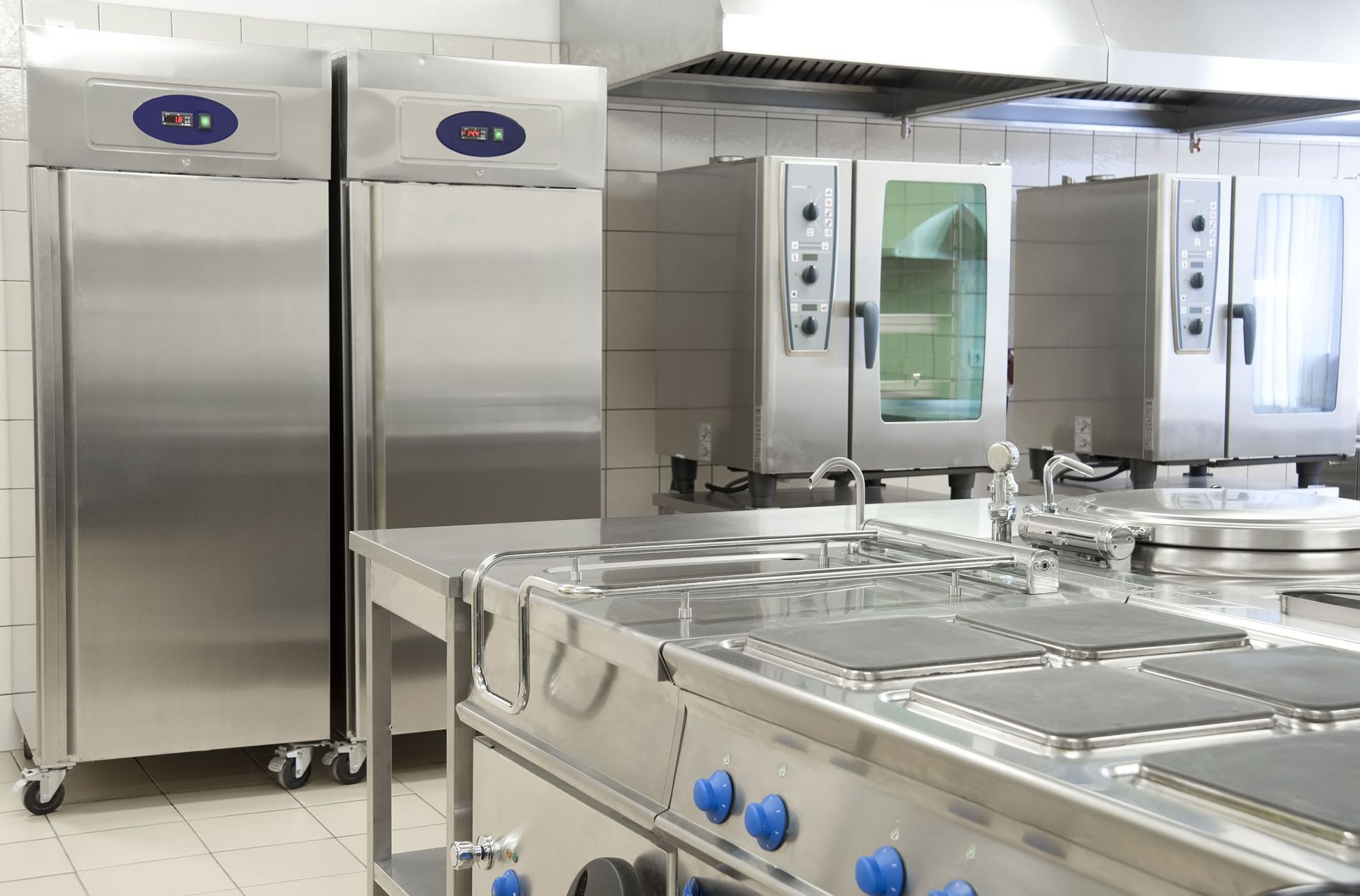
Scrutinize the manufacturing lines prospective distributors carry. Trusted commercial brands design units with verified certifications like NSF International, UL, and Energy Star ratings. NSF certification guarantees equipment meets strict public health standards for cleanability and food safety. Energy Star appliances substantially lower utility overhead across thousands of operating hours.
A reputable supply partner provides diverse product tiers, from reliable workhorse lines to heavy-gauge stainless fixtures. If a vendor pushes off-brand units with unverified certifications, proceed with caution. Sourcing cheap replacement parts on obscure equipment often costs more over two years than investing in an established, warranty-backed model initially.
Prioritizing Delivery Logistics and Emergency Support
A distributor's reliability is proven during operational emergencies. When an ice machine fails in mid-July or a walk-in cooler compressor dies, thousands of dollars in perishable inventory hang in the balance.
Before signing agreements, ask prospective suppliers targeted logistical questions:
- What are lead times for stocked inventory versus special orders?
- Do they operate an internal local delivery fleet or rely on common freight carriers?
- Does delivery include inside placement, uncrating, and debris removal, or strictly curbside drop-off?
- Is emergency weekend or same-day dispatch available?
Partnering with a neighborhood restaurant supply store gives operators a crucial safety net. Sending staff across town to grab an extra stockpot, hotel pans, or sanitizing chemicals provides peace of mind that distant warehouses cannot deliver.
Evaluating Transparent Pricing and Financing Options
Because hospitality profit margins are slim, transparent pricing structures are vital. A reliable supplier provides clear terms without hidden fuel surcharges, restocking penalties, or unexpected delivery fees.
Outfitting a new kitchen requires significant capital. Look for suppliers offering tailored equipment financing or leasing packages. Leasing preserves cash reserves for initial payroll and marketing while providing potential tax write-offs through depreciation deductions.
Furthermore, examine wholesale discount tiers. As order volumes increase—whether outfitting seasonal operations or reordering smallwares—distributors should offer competitive volume pricing. If you regularly visit a local restaurant supply store, ask about commercial house accounts and net-30 terms to smooth out seasonal cash flow fluctuations.
Leveraging Industry Expertise and Layout Services
The best equipment vendors act as knowledgeable consultants rather than basic order takers. Many sales representatives have backgrounds as former chefs or managers who understand kitchen line dynamics firsthand. They grasp the difference between theoretical blueprints and the chaotic reality of peak service, ensuring stations are designed to minimize unnecessary footsteps and eliminate kitchen collisions.
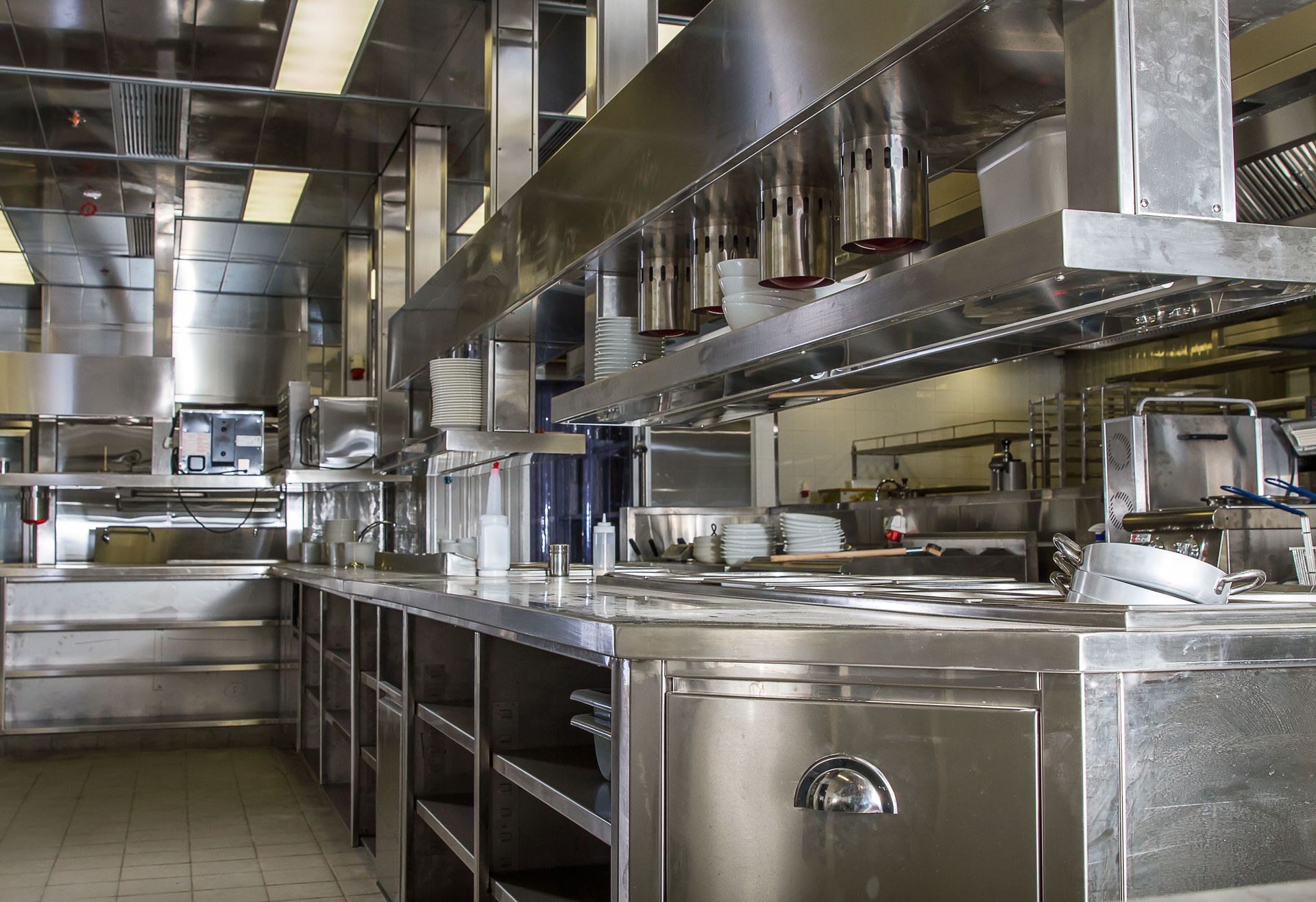
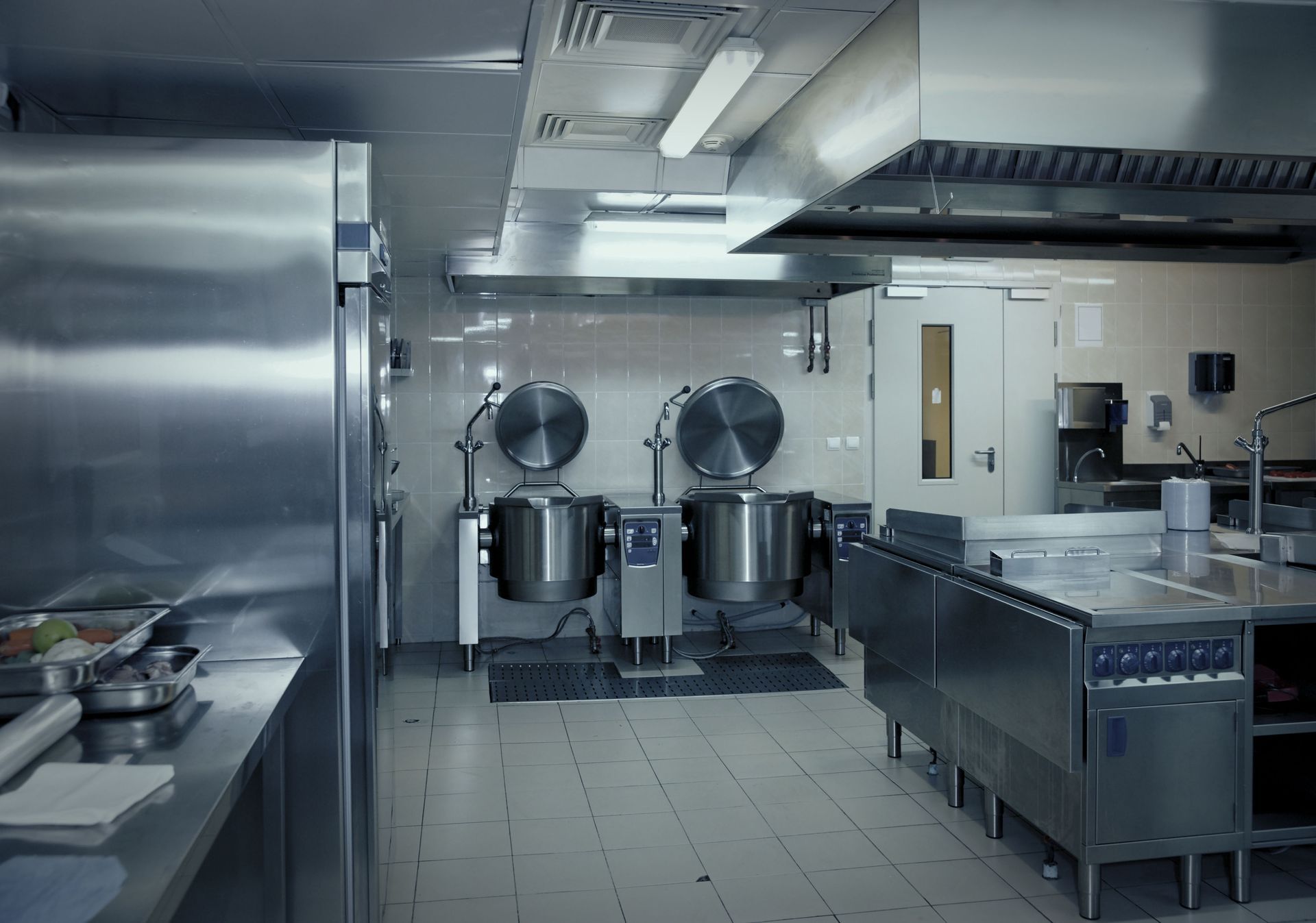
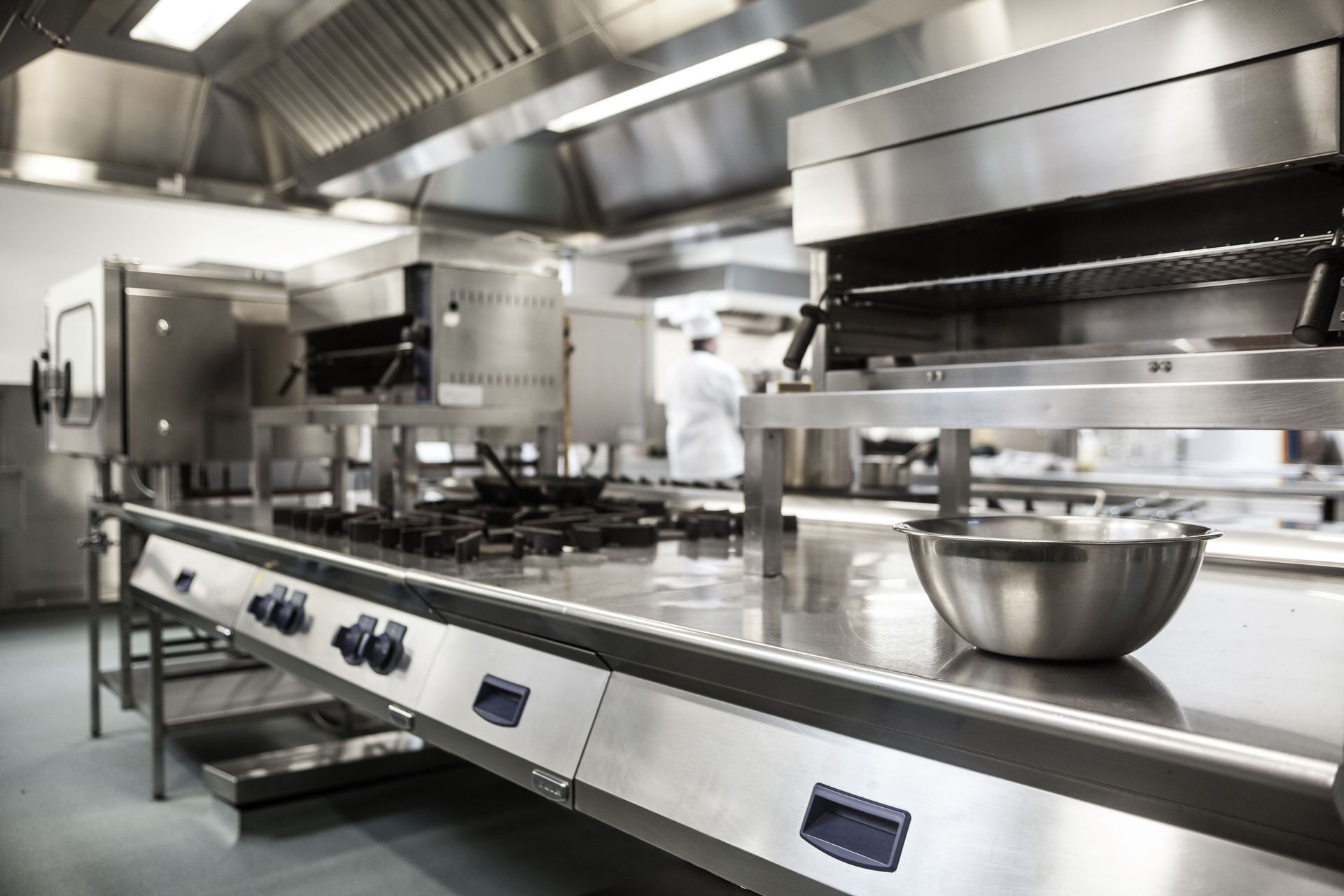
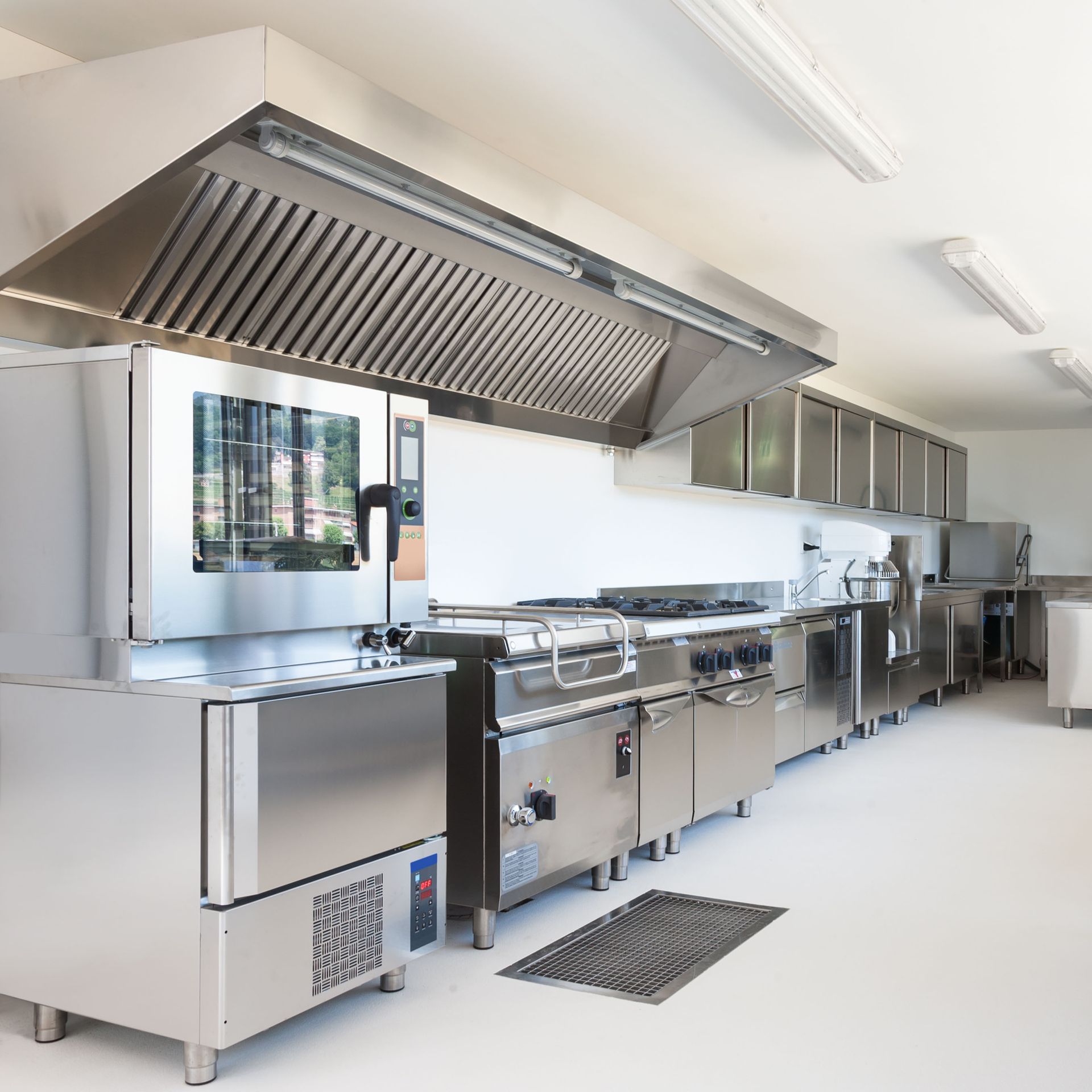
This expertise proves invaluable during kitchen layout design. Commercial kitchens must follow strict ergonomics, fire codes, and health regulations. Ventilation hoods must properly overhang cooking surfaces, work zones must prevent cross-contamination, and dishwashing areas need dedicated flow channels.
Top distributors offer design-build assistance, coordinating directly with architects, general contractors, and municipal inspectors. Ask if their team reviews floor plans to verify plumbing drop locations, gas pipe sizing, and electrical rough-ins before ordering equipment, preventing costly change orders and construction delays later.
Maintaining Equipment Life Through Parts and Warranties
The supplier relationship only begins when equipment arrives. Units with mechanical components—meat slicers, planetary mixers, dishwashers, and fryers—inevitably require replacement gaskets, adjustments, or recalibration. Without rapid access to service, a single breakdown can paralyze menu execution.
Ensure your supplier stocks original equipment manufacturer (OEM) replacement parts. Aftermarket parts from uncertified vendors can void warranties and cause mechanical failure. A vendor with stocked shelves of gaskets, valves, and thermostats at their restaurant supply store minimizes expensive operational downtime. Additionally, verify whether the company provides factory-certified technicians or maintains an authorized network of mechanical repair partners who can honor labor warranties on-site without bureaucratic delays.
Sourcing Sustainable and Energy-Efficient Inventory
Sustainability has evolved from marketing into an effective cost-control strategy. Modern diners increasingly favor establishments prioritizing environmental responsibility, while efficient kitchens lower monthly utility bills and reduce overhead across long operational shifts.
Evaluate whether prospective suppliers stock sustainable alternatives:
- Energy-efficient induction ranges, variable-speed exhaust hoods, and low-water dishwashers.
- Compostable sugarcane bagasse containers, PLA cups, and unbleached paper carryout bags.
- Automated chemical dilution systems that eliminate single-use containers and prevent chemical overuse.
A progressive restaurant supply store curates inventory complying with regional environmental laws, such as bans on expanded polystyrene or single-use plastics, keeping your business fully compliant and ahead of emerging ecological mandates.
Vetting Prospective Suppliers Through Structured Audits
Follow a clear evaluation process before making major purchases to ensure your vendor aligns with your culinary vision and daily operational rhythm:
- Audit Inventory Needs: Categorize requirements into heavy equipment, line smallwares, front-of-house dinnerware, chemicals, and recurring disposables to distinguish capital expenditures from recurring expenses.
- Visit Physical Showrooms: Inspect a local restaurant supply store to evaluate inventory breadth, cleanliness, product build quality, and staff responsiveness.
- Request Multiple Quotes: Submit an identical equipment list to three competitors to compare itemized pricing, warranty terms, delivery timelines, and installation fees.
- Verify Local Reputation: Ask neighboring operators and local chefs which supply partners honor commitments during equipment emergencies and resolve disputes fairly.
- Review Return Policies: Check freight requirements, inspection terms, damage reporting windows, and restocking fees for items that fail to fit kitchen specifications.
Selecting the right restaurant supply company shapes the efficiency, profitability, and daily consistency of your kitchen operations. Prioritizing commercial certifications, responsive delivery, kitchen layout expertise, transparent pricing, and post-sale warranty support establishes a resilient backbone for your hospitality team. Take time to vet candidates thoroughly, visit local showrooms, and build a partnership focused on sustained operational success. For exceptional commercial kitchen gear, dependable service, and top-tier expertise, make Northeast Restaurant Equipment your trusted partner for all your culinary operational needs.
Share On: