
Essential Restaurant Equipment Checklist for New Owners
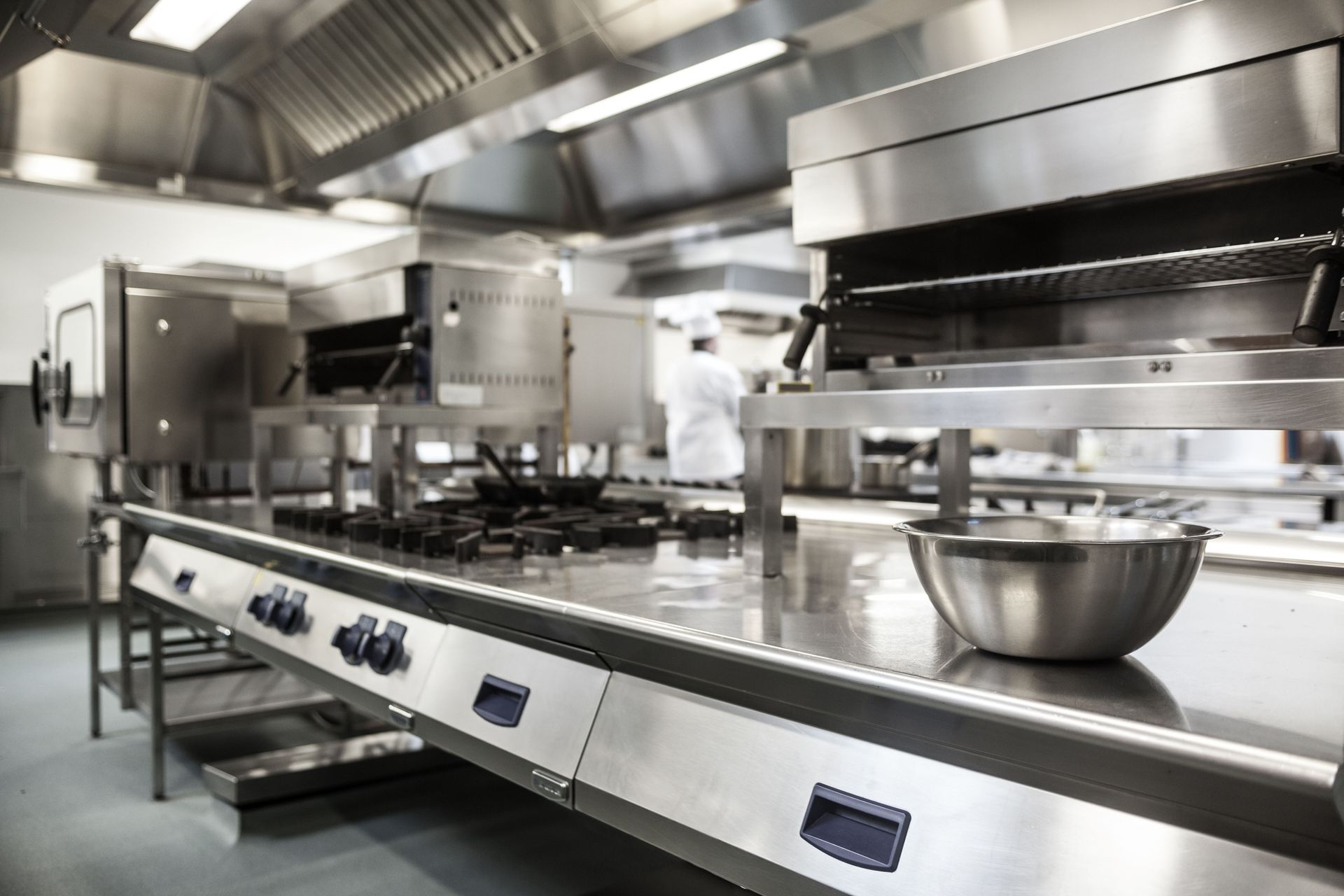
Opening a new restaurant is an exciting venture, but it requires meticulous planning and preparation. A critical aspect of this planning is ensuring you have all the necessary equipment to run your kitchen efficiently. As a new owner, you must choose each piece of equipment with care, making sure it aligns with your business goals and the specific needs of your menu. In addition to the local restaurant equipment, think about how service and dining ware impact the customer experience. This article outlines the essential restaurant equipment checklist designed to guide new owners in setting up their establishments for success.
Kitchen Cooking Equipment
Ovens
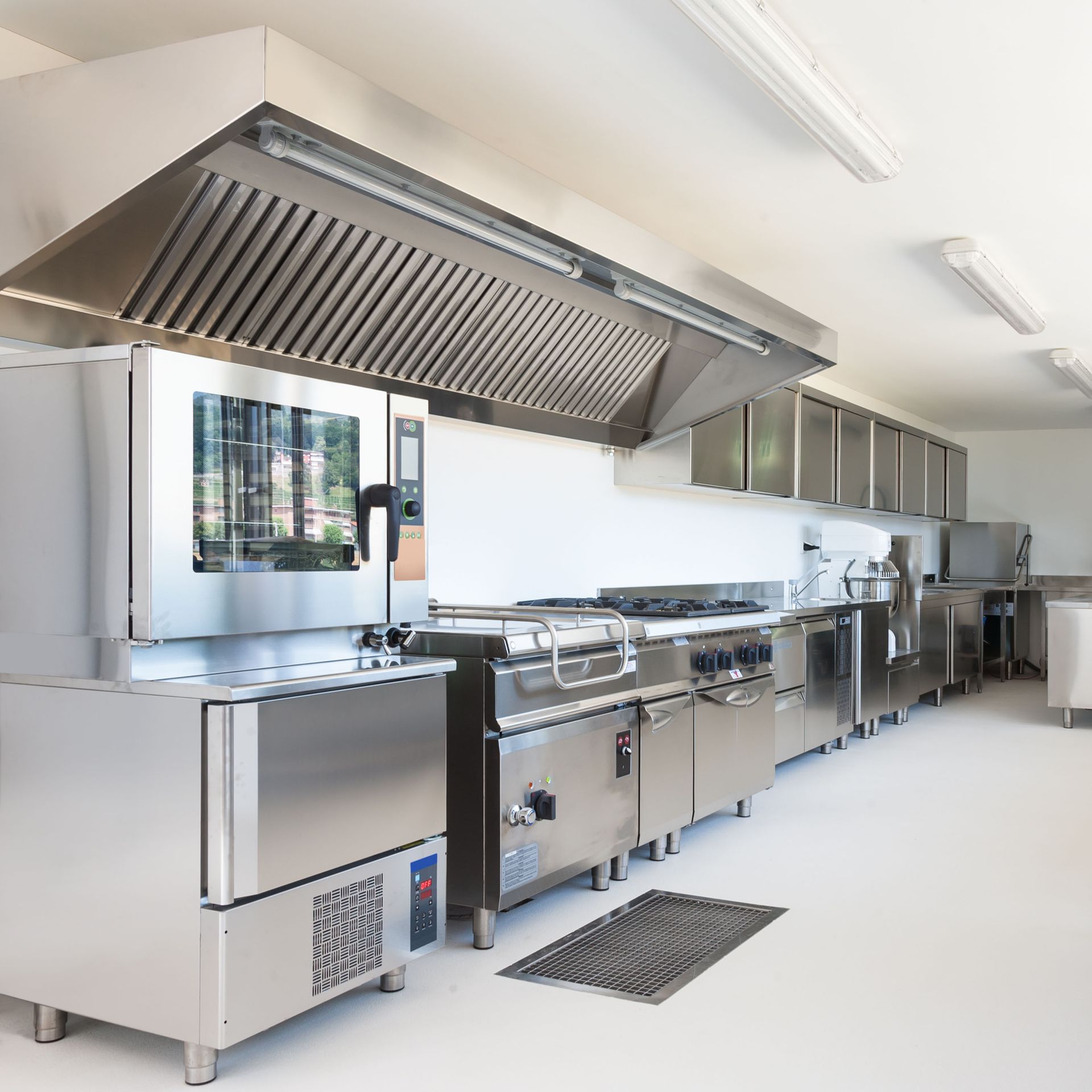
Ovens are the heart of any restaurant kitchen, with different types serving distinct purposes. Convection ovens, known for their consistent cooking times and even heating, are indispensable for baking. Conventional ovens are familiar and versatile, yet require more maintenance in busy kitchens. Commercial ovens, though more expensive, offer additional functionalities like steam and slow cooking features. Selecting the right oven means assessing your menu’s demands and available kitchen space carefully.
Today's commercial kitchens also focus on high efficiency and energy savings. New technological advancements have introduced smart ovens, capable of preset programming and remote monitoring. Such features facilitate multitasking and reduce staffing needs. As an initial capital investment, consider future savings through reduced energy bills and maintenance costs. This digital efficiency has become crucial for keeping pace with modern off-premise dining trends; according to Sculpture Hospitality, half of all adults in the United States utilized a food delivery app in 2024.
Grills and Griddles
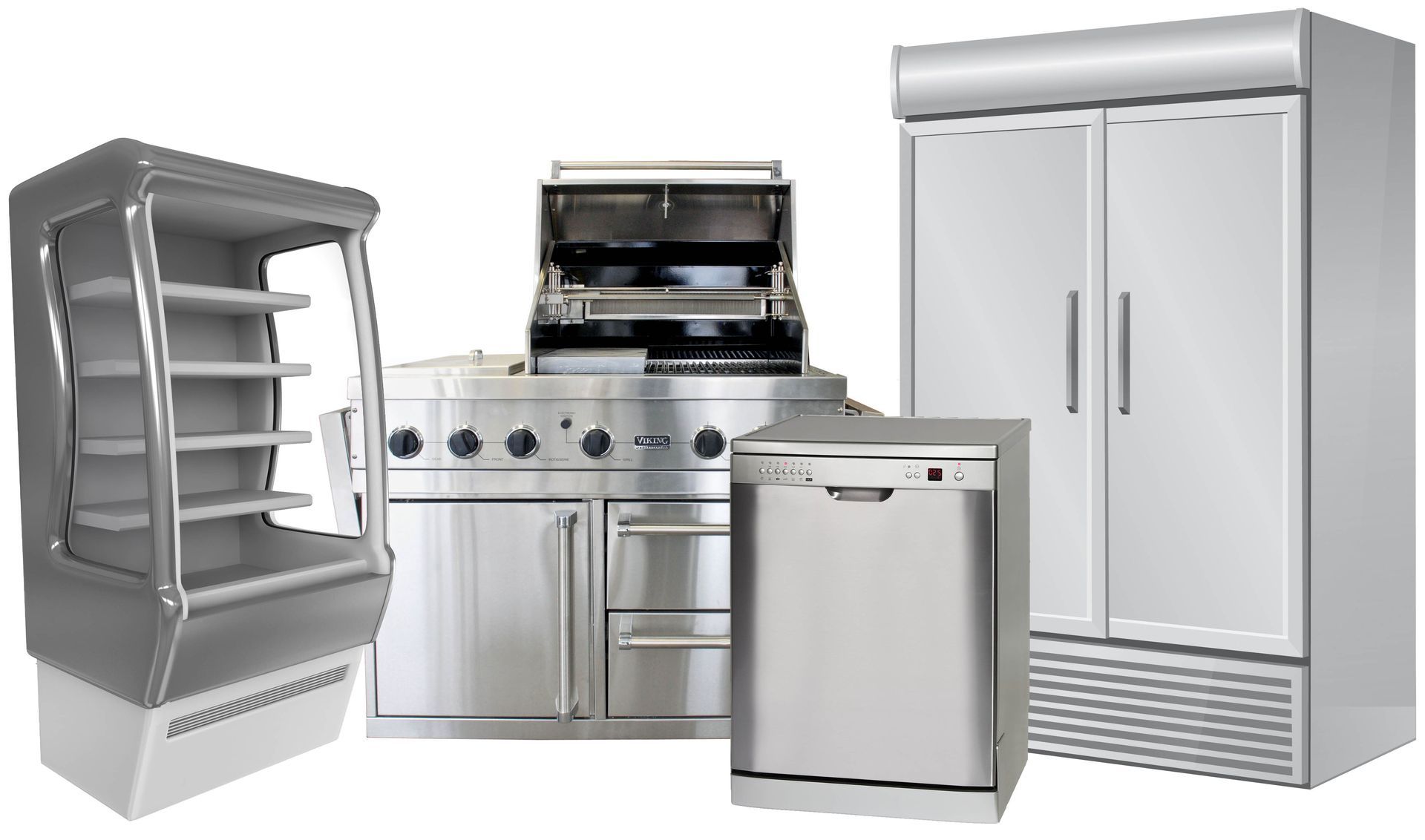
Grills and griddles are indispensable for restaurants specializing in grilled foods and breakfast items. Grills, including charbroilers and flat-top grills, offer high temperatures for searing meats and vegetables. In contrast, griddles provide broad, flat cooking surfaces perfect for pancakes and eggs. Choosing between freestanding or countertop models depends on space availability and expected output volume. Restauranters must align their local restaurant equipment with their specialty dishes and kitchen capacity.
Quality and material significantly impact the performance of grills and griddles. Stainless steel is the preferred material for its durability and heat-retention properties. Meanwhile, many units now come with advanced features like digital controls for precise management of cooking temperatures. Such innovations ensure consistency and speed, crucial for efficient kitchen operations. Investing in high-quality materials and features pays off through longevity and reduced repair needs.
Commercial Microwaves
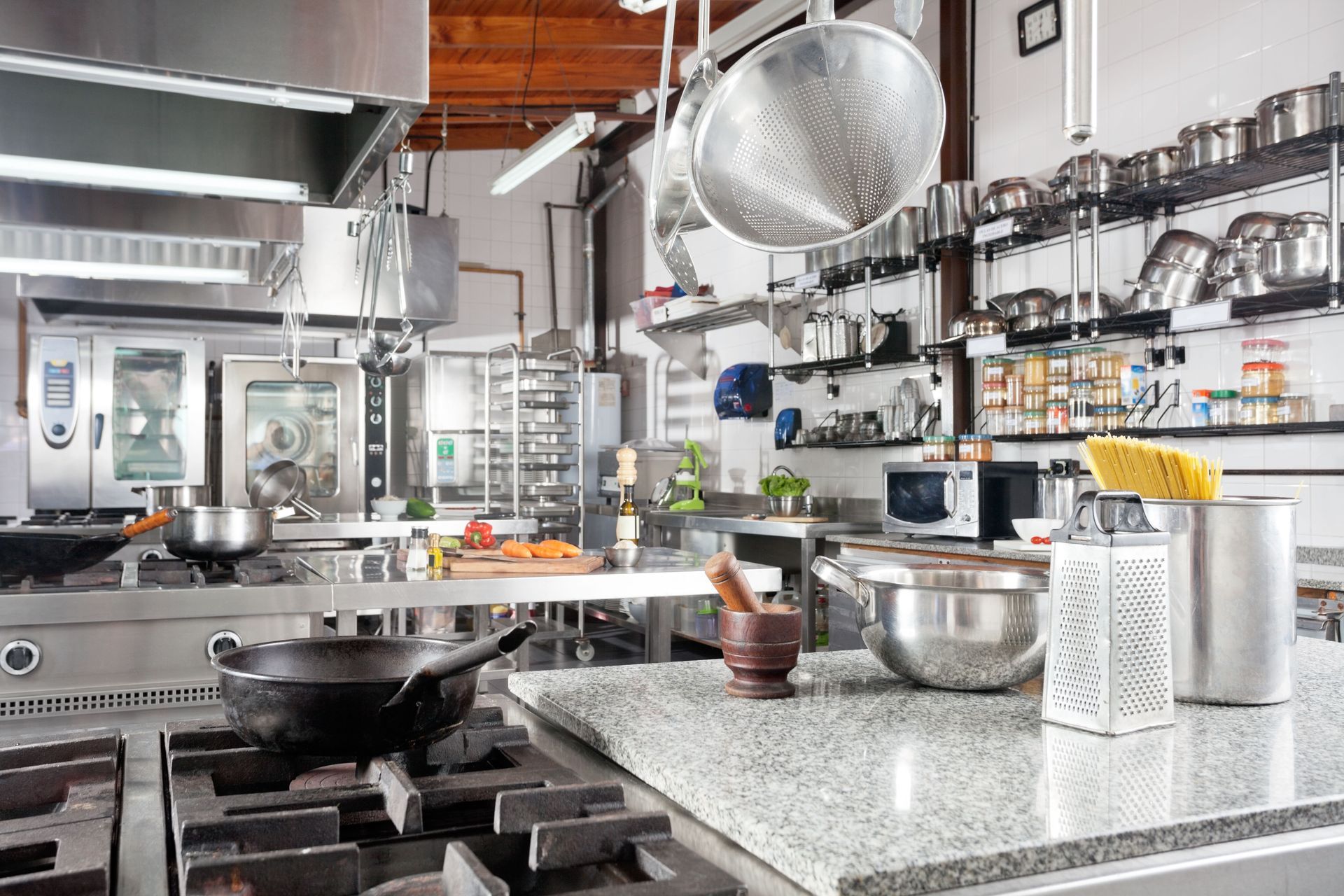
In today's fast-paced dining environment, commercial microwaves play a critical role in ensuring quick service. Unlike residential microwaves, commercial units are designed for high-volume and continuous use, providing reliability and efficiency. They perform various tasks beyond reheating, such as defrosting, steaming, and even cooking. Features like variable power settings and programmable controls enhance versatility, meeting diverse culinary requirements. Incorporating microwave ovens boosts kitchen operations, facilitating high turnover rates essential for busy service periods.
Food Preparation Equipment
Mixers
Mixers, essential in many restaurants, enable efficient and repeated preparation of doughs, batters, and mixtures. There are two main types – planetary and spiral mixers – each serving specific dietary production needs. Planetary mixers, named for their planetary-style motion, offer versatility for a wide range of prep work. Spiral mixers are better suited for dough-heavy establishments, providing consistent kneading for large batches. Selecting the appropriate type reflects on the quality and consistency of food production.
Having the right mixer can dramatically impact food prep efficiency and product quality. The motor size and speed controls of a mixer determine its capability to handle various consistencies and volumes. Versatile attachments augment productivity, reducing labor by automating tasks like whipping, blending, and kneading. Ancillary features, such as timers and safety guards, standard in modern mixers, align operations with today's safety and productivity standards. Investing in mixers with these features streamlines kitchen operations and enhances product consistency.
Food Processors
Food processors are essential kitchen tools that save time and labor while enhancing food presentation and consistency. They perform a wide variety of tasks, including chopping, slicing, grating, and pureeing ingredients. Depending on their usage intensity, food processors come in commercial, light-duty, and heavy-duty variants. Choosing the right size and number of processors depends significantly on menu complexity and expected meal volume. Their adaptability makes them invaluable in any restaurant setting.
As with other local restaurant equipment, priority should be given to quality and performance when investing in food processors. The presence of multiple blade attachments enhances their versatility, allowing chefs to create elaborate dishes efficiently. Consider local restaurant equipment made with durable materials, like stainless steel, which offers longevity and ease of cleaning. Safety features, such as interlock systems and non-slip feet, contribute to reducing kitchen accidents, a critical aspect in high-paced environments. Thus, enhanced speed and safety combined make food processors a mainstay in efficient commercial kitchens.
Slicers
Slicers play a crucial role in a restaurant kitchen by providing the precision necessary for consistent portion sizes and aesthetically pleasing presentations. Used extensively in delis, sandwich shops, and restaurants that require uniform cuts of meat and vegetables, slicers significantly reduce prep times. The decision between manual and automatic slicers depends on the required throughput and staff expertise. Automatic slicers will generally suit high-volume operations, while manual ones are ideal for customization and smaller tasks. The efficiency and uniformity that slicers offer improve both the customer experience and operational output.
Refrigeration Equipment
Walk-In Coolers
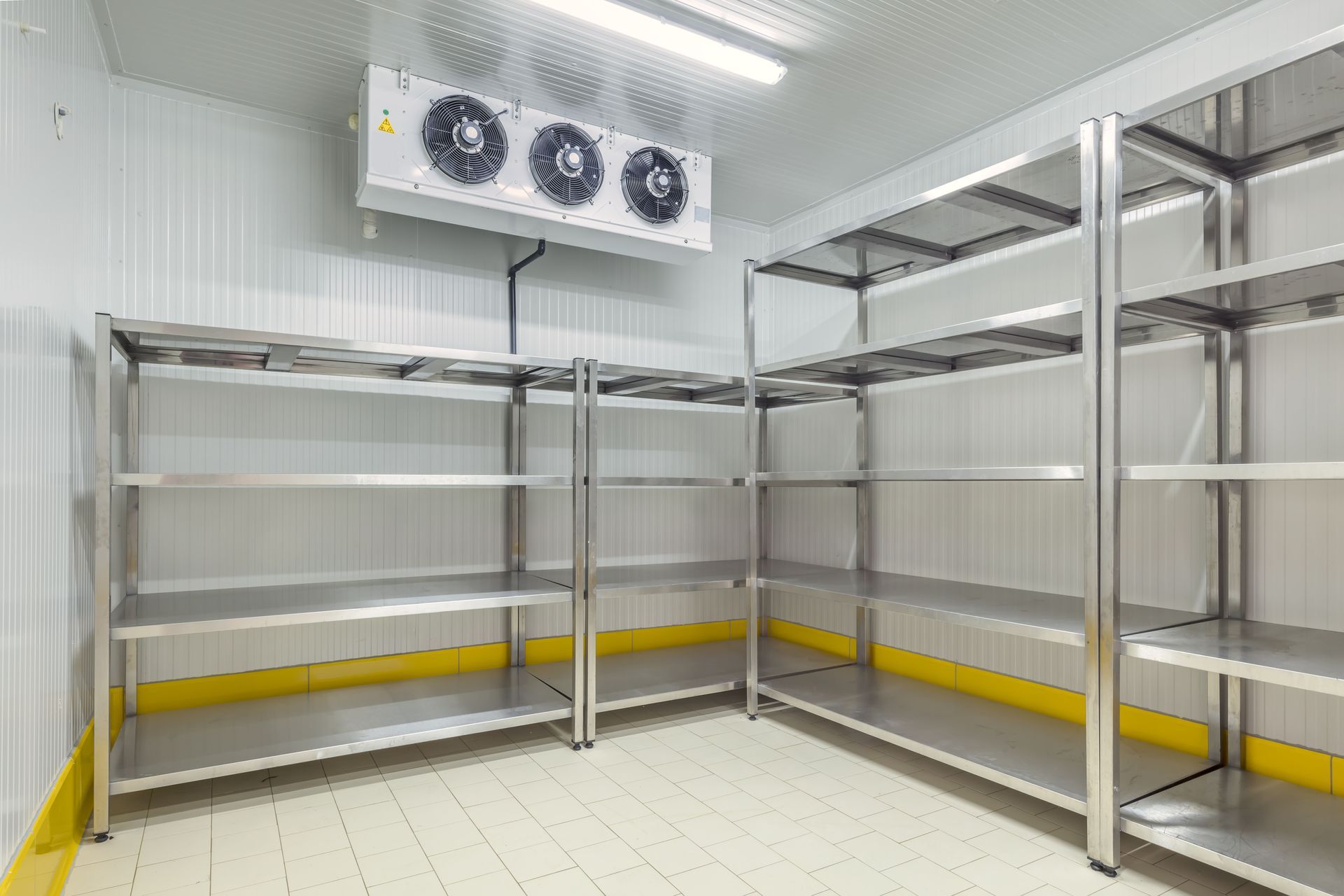
Walk-in coolers offer restaurant operators essential storage capacity for fresh ingredients and prepared items, vital for maintaining inventory efficiency. As the backbone of many restaurant kitchens, they allow bulk purchasing, reducing costs and minimizing supply disruptions. A well-insulated and energy-efficient design is important to reduce operating costs and maintain precise temperature control. Features such as adjustable shelving and customizable configurations cater to various storage needs and improve organization. Additionally, regulatory compliance and food safety hinge on consistent adherence to temperature guidelines, something well-designed walk-in coolers facilitate.
The location and size of your walk-in cooler should align with your kitchen layout, ensuring a seamless flow of operations. Consideration of kitchen size and product volume is crucial, with existing infrastructure and expansion plans influencing decisions about cooler sizes. Mindful navigation of space savings without compromising storage requirements can support efficient operations. Modern walk-ins include innovations like remote temperature monitoring, improving food safety, and reducing labor in monitoring and management. Adding advanced features bolsters your local restaurant equipment's effectiveness, essential for maintaining efficiency as facility needs evolve.
Reach-In Refrigerators
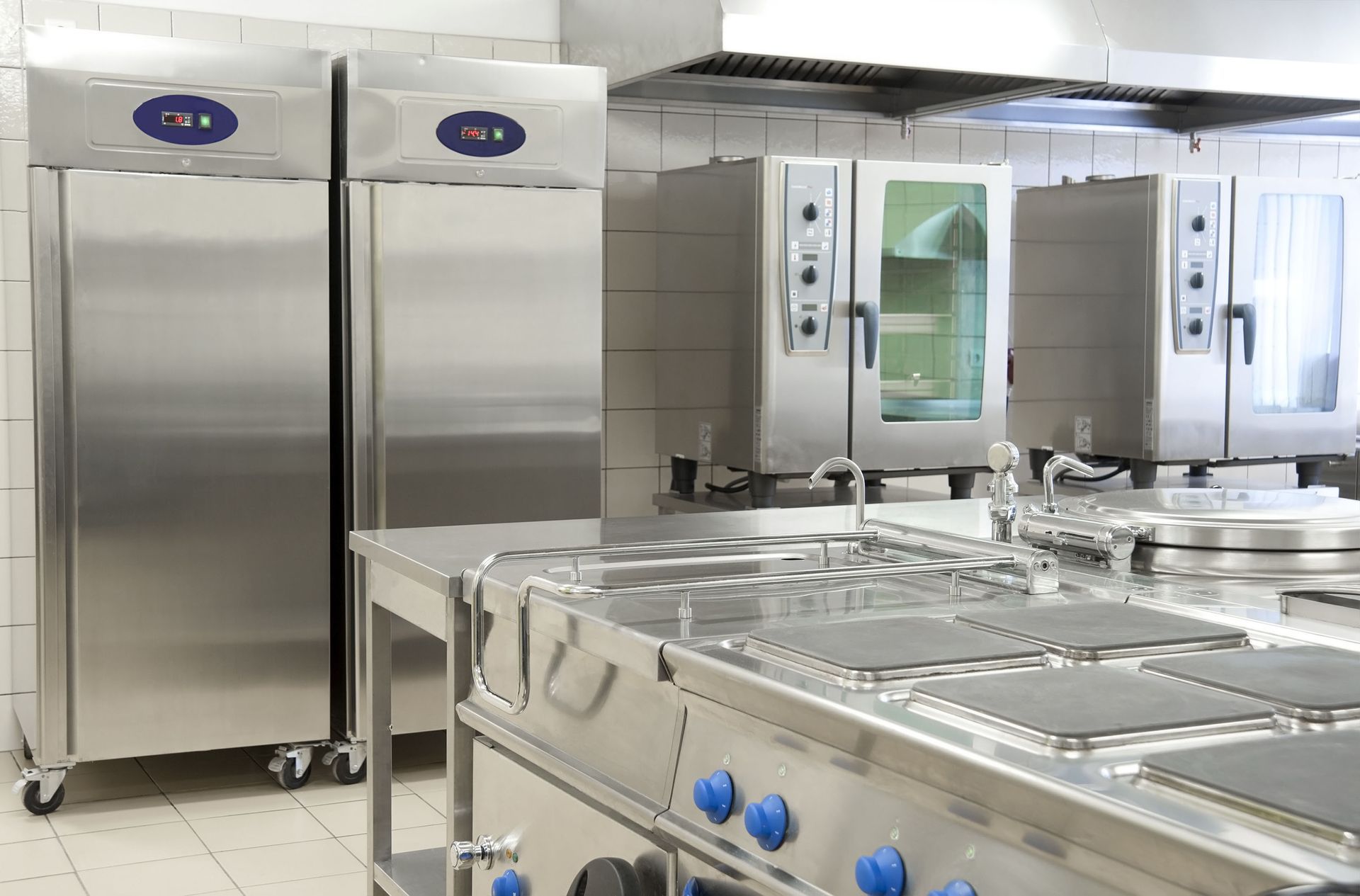
Reach-in refrigerators offer practicality and accessibility, ideally suited for storing ingredients commonly used in daily operations. These units provide restaurant operators with easy access to essential perishables, facilitating smoother prep work and service. Options include single or multi-door units, stainless steel or glass door variations, depending on space and aesthetics, respectively. Consider prioritizing models with adjustable shelving, advanced temperature controls, and energy-efficient designs. The selection should align clearly with the restaurant's structure, ensuring efficient service and minimizing energy consumption.
Efficiency and reliability drive the decision-making process when investing in reach-in refrigerators. Features like self-closing doors and high-performance compressors impact energy usage and help uphold the integrity of stored items. Equipment entering the modern market often features improved insulation and environmentally friendly refrigerants, supporting sustainability goals. Reliability depends on both brand reputation and technical support offered post-purchase, aspects guiding product selection. Frequently used, these refrigerators require careful consideration in terms of capacity, operational cost, and ease of cleaning to maximize service life.
Equipping a commercial kitchen with the right foundation of cooking, preparation, and refrigeration technology is the most critical capital investment a new restaurateur will make. As delivery demands and fast service expectations continue to shape the industry, an optimized workflow relies entirely on choosing durable, energy-efficient units that match your specific menu volume. Striking the perfect balance between high-capacity walk-in coolers, precision slicers, and programmable smart ovens reduces labor overhead, minimizes ingredient waste, and protects your bottom line. By systematically checking off each essential piece of local restaurant equipment before launch, you safeguard your daily culinary operations and establish a reliable infrastructure built for long-term commercial success.
Contact Northeast Restaurant Equipment for premium inventory and partner with a reliable distributor of local restaurant equipment built to set your kitchen up for lasting success.
Share On: