
10 Signs You Need to Replace Your Restaurant Equipment
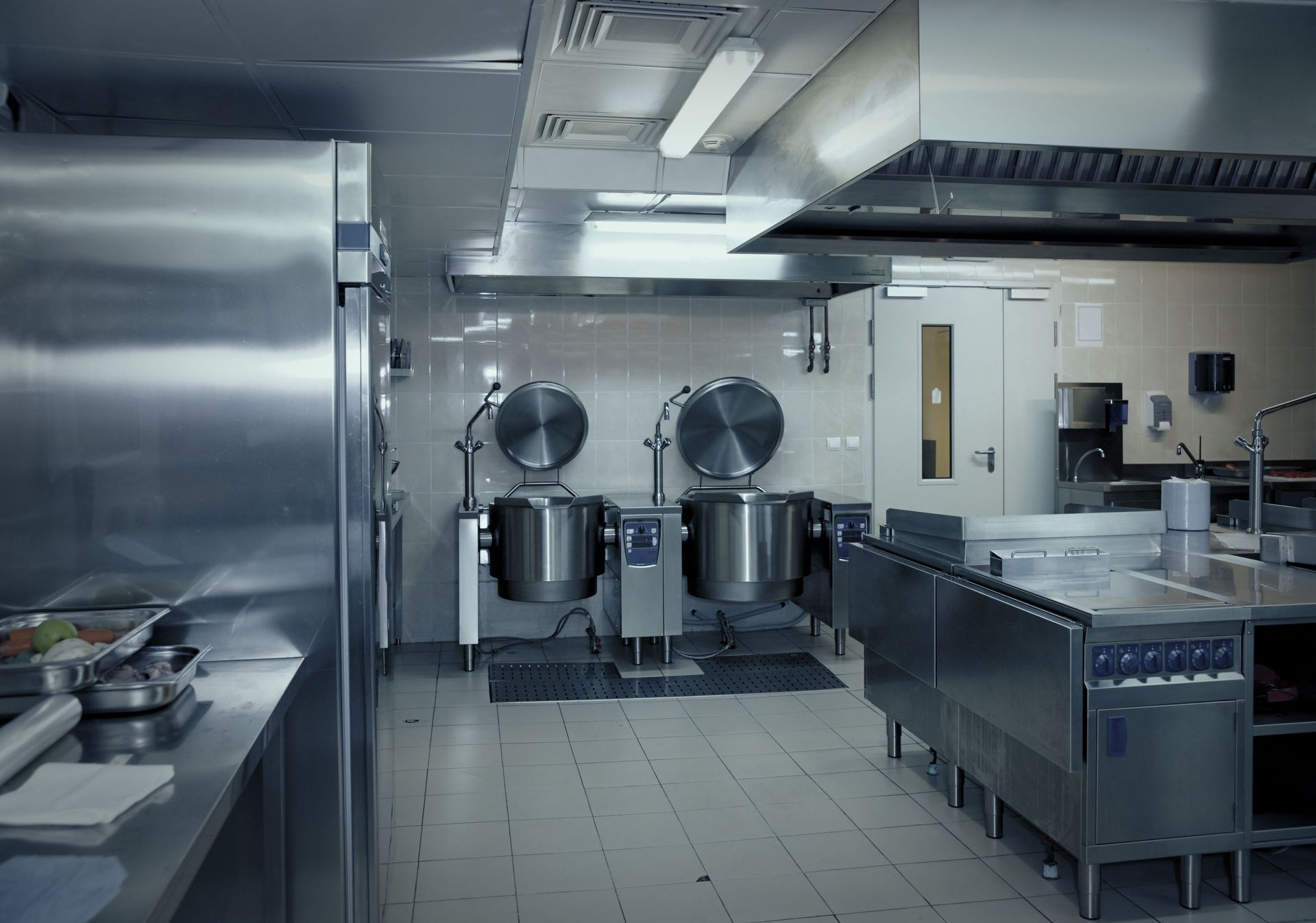
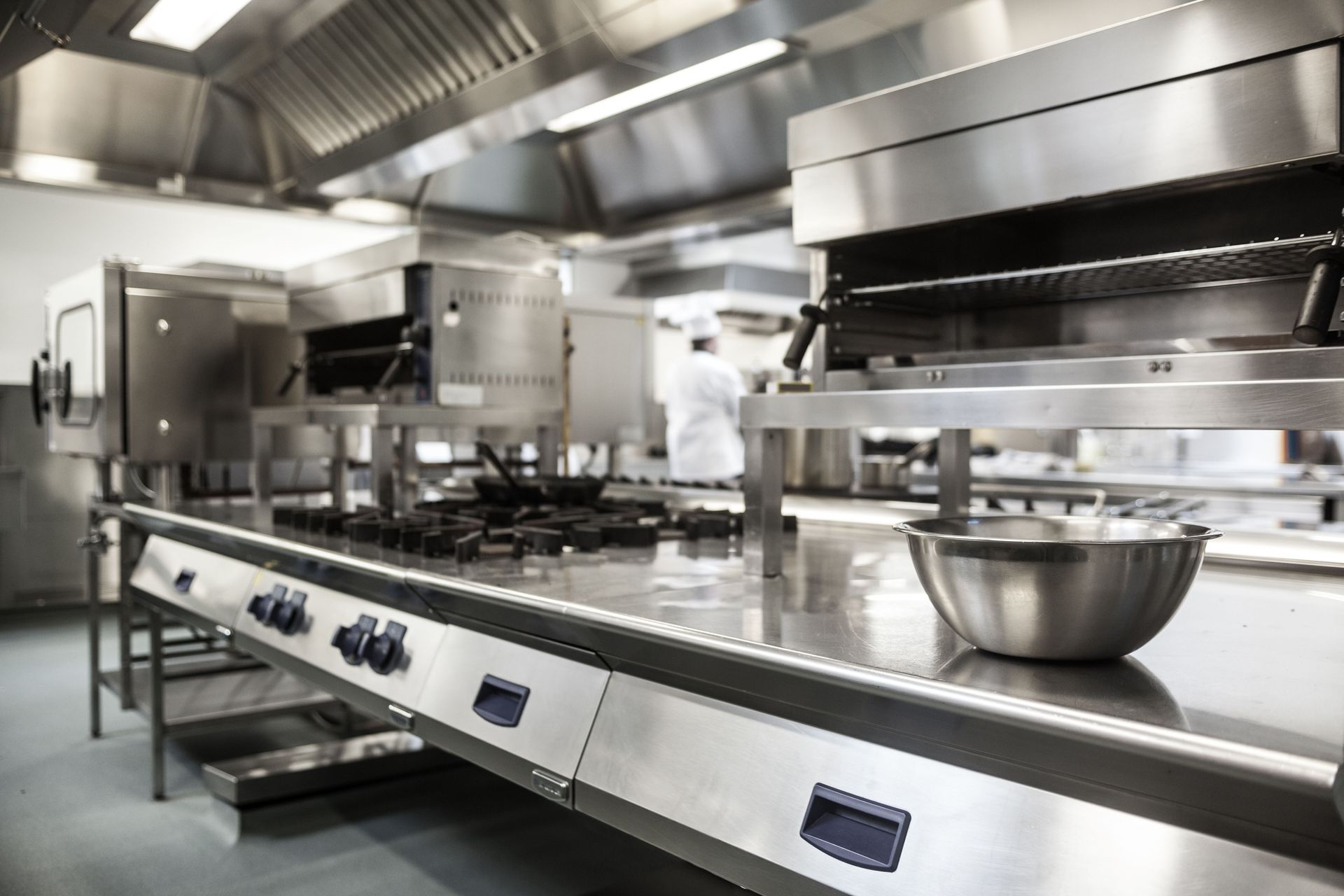
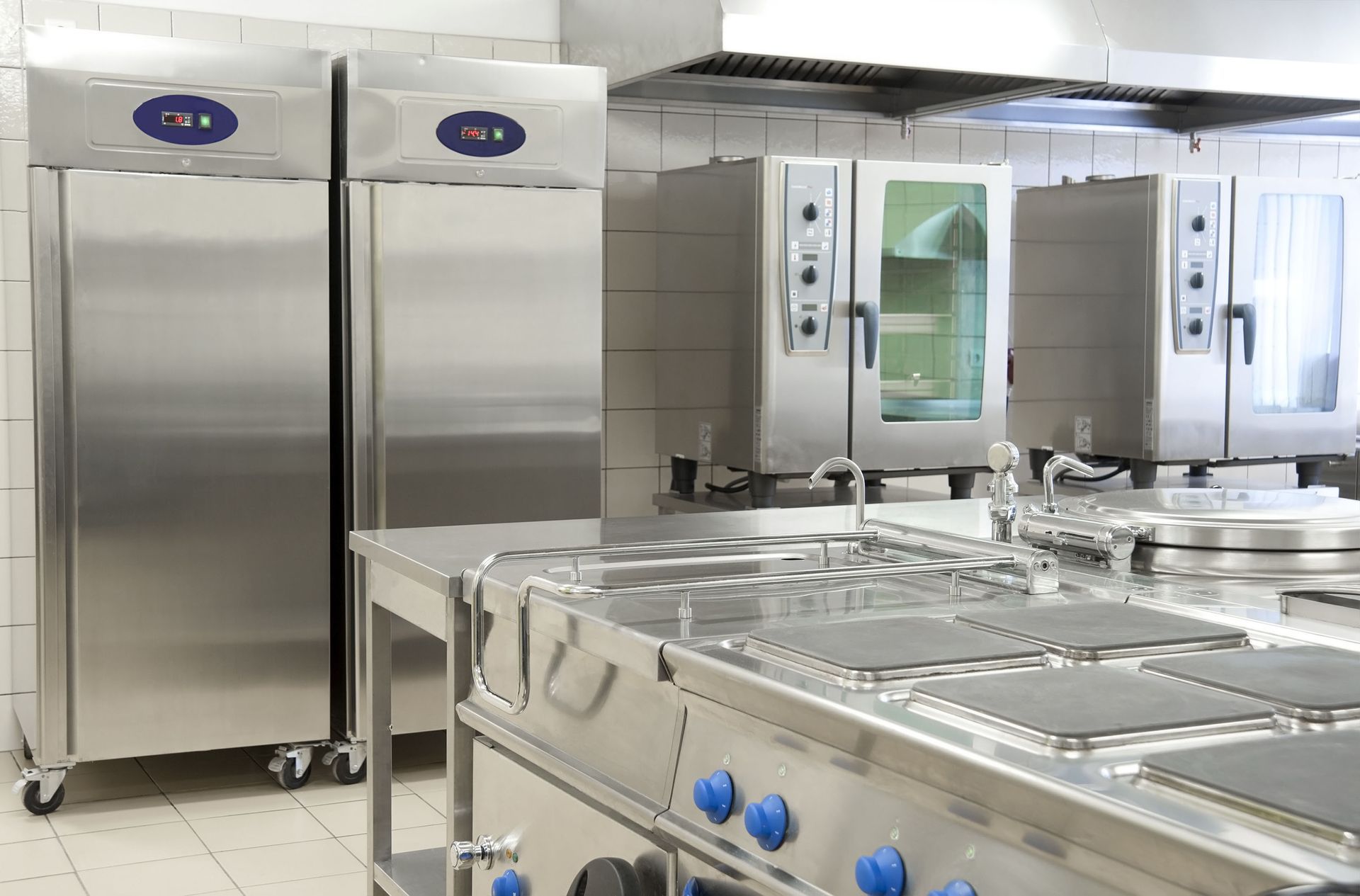
Restaurant operations depend on reliable equipment every day. From cooking and refrigeration to prep, storage, and dishwashing, every piece of equipment plays a role in food quality, service speed, safety, and customer satisfaction. When equipment begins to fail, it can affect more than one station. A struggling refrigerator can threaten inventory, an unreliable oven can slow ticket times, and worn prep equipment can make employees work harder than necessary. Because restaurants operate on tight schedules, equipment problems can quickly become costly disruptions.
Replacing restaurant equipment is not always an easy decision, especially when owners and managers are trying to control expenses. However, waiting too long can lead to higher repair costs, food waste, safety concerns, and inconsistent guest experiences. Knowing the warning signs can help you decide when replacement is the smarter long-term choice. By paying attention to performance, efficiency, repairs, and safety, restaurants can protect daily operations and maintain a more dependable kitchen environment.
1. Noticing Frequent Breakdowns
One of the clearest signs that equipment may need to be replaced is repeated breakdowns. Occasional repairs are normal, but when the same unit keeps failing, it can become a major operational burden. Frequent problems may interrupt service, delay preparation, and place added stress on employees who must adjust workflows around unreliable equipment. Over time, these interruptions can affect productivity and customer satisfaction.
Repeated repairs can also become expensive. If repair costs continue adding up, replacement may provide better long-term value. A newer unit may offer more consistent performance, fewer interruptions, and better reliability during busy shifts. When equipment becomes unpredictable, owners should consider whether continued repairs are only postponing a larger problem.
2. Seeing Rising Energy Costs
Older equipment often uses more energy than newer models. Refrigerators, freezers, ovens, fryers, dishwashers, and HVAC-related kitchen equipment can consume significant power when they are outdated or struggling to operate properly. If utility bills are increasing without a clear reason, inefficient restaurant equipment may be part of the problem.
Replacing outdated units with more efficient models can help reduce energy waste and support better cost control. While new equipment requires an upfront investment, improved efficiency may help lower operating expenses over time. Energy performance should be considered alongside repair history, workload, and overall kitchen needs when deciding whether replacement makes sense.
3. Experiencing Inconsistent Food Quality
Customers expect consistency each time they visit. When ovens heat unevenly, grills lose temperature, fryers struggle to recover, or refrigeration units fail to maintain proper temperatures, food quality can suffer. Inconsistent cooking or storage conditions may affect taste, texture, timing, and presentation. These issues can make it harder for kitchen staff to meet the standards customers expect.
According to the National Restaurant Association, 64% of full-service diners and 47% of limited-service diners say the overall dining experience matters more to them than the cost of the meal. This makes dependable equipment especially important. When kitchen tools can no longer support consistent results, replacing them may help protect the dining experience and the reputation of the business.
4. Struggling With Slow Service
Slow equipment can create delays throughout the kitchen. If appliances take too long to preheat, cook, chill, wash, or recover between uses, employees may fall behind during peak hours. Even small delays can create a chain reaction that affects ticket times, table turnover, and customer satisfaction. A busy restaurant needs equipment that can keep up with demand.
Replacing underperforming restaurant equipment can help improve workflow and service speed. Newer units may offer faster heating, stronger refrigeration, better capacity, or more dependable operation. When staff members no longer have to work around slow or unreliable equipment, they can focus more effectively on preparation, cooking, plating, and serving guests.
5. Finding Safety Concerns
Safety should always be a priority in a commercial kitchen. Equipment with frayed cords, gas leaks, damaged doors, broken controls, unstable parts, overheating components, or sharp exposed edges can create hazards for employees. Even minor defects can become serious if they are ignored. Unsafe equipment can increase the risk of burns, cuts, slips, fires, or other workplace incidents.
If a unit cannot be repaired safely or no longer meets the needs of a busy kitchen, replacement may be the best option. Safe equipment supports a more secure work environment and helps employees complete tasks with confidence. Restaurant owners should take equipment safety concerns seriously before they lead to injuries or operational problems.
6. Facing Refrigeration Problems
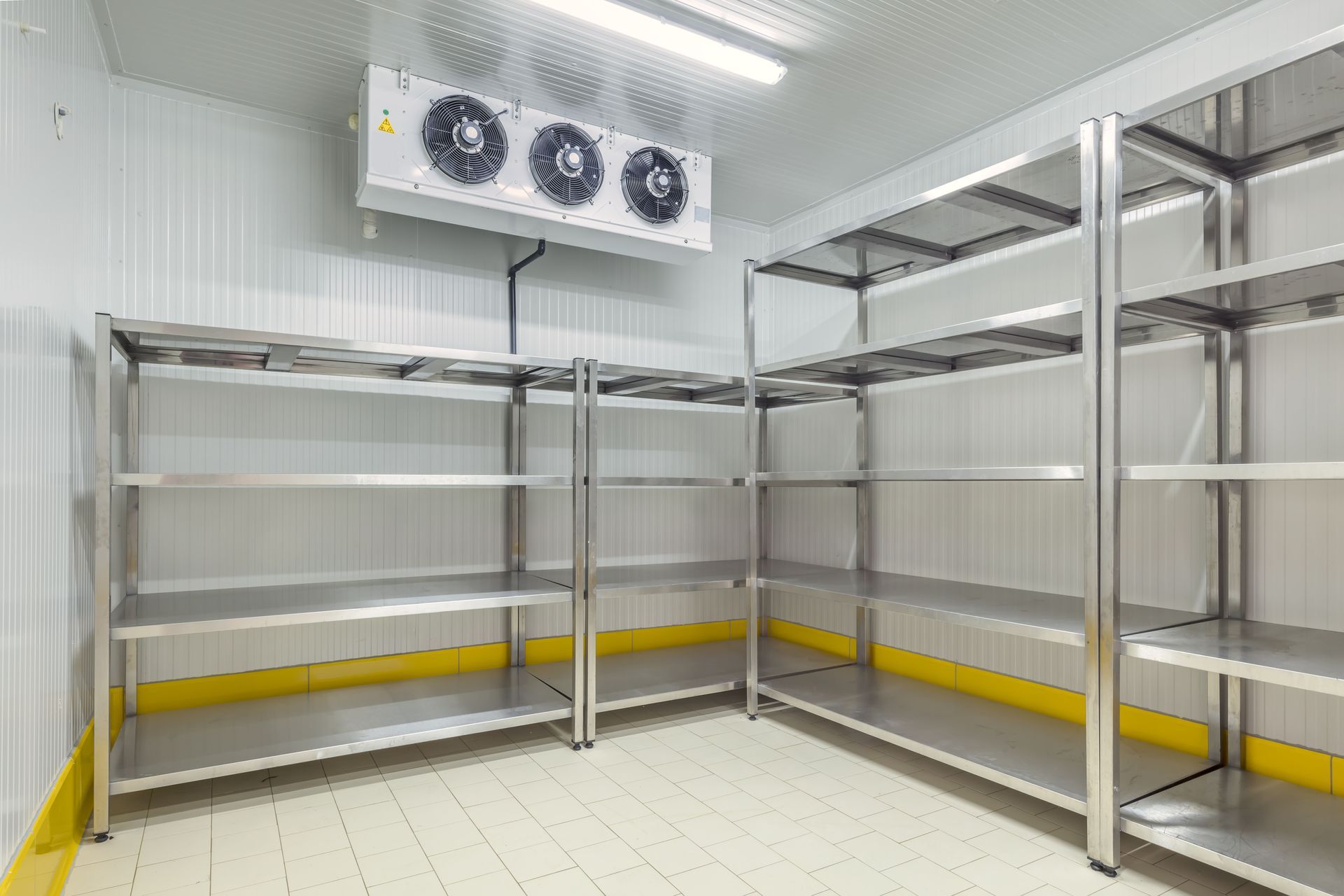
Refrigeration is one of the most important parts of food service operations. Coolers, freezers, prep tables, and walk-ins must maintain proper temperatures to help protect ingredients and reduce spoilage. If a refrigeration unit struggles to stay cold, cycles constantly, leaks, creates frost buildup, or causes product loss, it may be time to evaluate replacement options.
Unreliable refrigeration can waste inventory and create food safety concerns. A failing unit may also place extra pressure on staff members who must check temperatures more often or move ingredients to other locations. Replacing refrigeration-related restaurant equipment before a complete failure occurs can help prevent costly emergencies and protect product quality.
7. Outgrowing Current Capacity
Sometimes equipment still works but no longer fits the needs of the business. A restaurant that has expanded its menu, increased seating, added catering, or experienced higher demand may outgrow its existing kitchen setup. Equipment that was once sufficient may become too small, too slow, or too limited for current operations.
Upgrading equipment can help support growth by improving capacity and efficiency. Larger ovens, better prep stations, additional refrigeration, or upgraded dishwashing equipment may help staff handle increased volume more effectively. When equipment limits your ability to serve customers, replacement can be an important part of supporting future success.
8. Noticing Poor Appearance
The appearance of equipment can also matter, especially when customers can see parts of the kitchen, service areas, display cases, or food prep stations. Dented, rusted, cracked, stained, or worn equipment can create a poor impression. Even if a unit still works, visible deterioration may make the business appear less professional or less attentive to cleanliness.
Appearance can also signal deeper problems. Rust, cracks, and damaged surfaces may be harder to clean and could affect sanitation. Replacing worn restaurant equipment can improve both function and presentation. A cleaner, more professional setup can support staff confidence and help reinforce the overall quality of the business.
9. Missing Replacement Parts
Older equipment can become difficult to repair when replacement parts are no longer easy to find. If parts are discontinued, delayed, or expensive, even a simple repair may take longer than expected. This can leave a restaurant without an important appliance during critical business hours. Long repair delays can interfere with service and increase frustration for staff.
When parts availability becomes a recurring issue, replacement may be more practical than continued repair attempts. Newer equipment is often easier to service and may come with better support options. Choosing replacement before a major failure can help avoid being forced into a rushed decision during an emergency.
10. Planning Long-Term Improvements
Equipment replacement does not always need to happen after a failure. Sometimes it is part of a broader plan to improve operations, update a kitchen, reduce maintenance problems, or support a new menu. Proactive upgrades allow restaurants to choose restaurant equipment carefully instead of reacting under pressure when something breaks unexpectedly.
Planning ahead also makes budgeting easier. Owners can prioritize the most important replacements, compare options, and schedule installation at a convenient time. Thoughtful upgrades can improve workflow, safety, efficiency, and consistency. Replacing equipment strategically helps restaurants build a stronger foundation for long-term performance.
Knowing when to replace equipment can help restaurants avoid unnecessary disruptions, protect food quality, and maintain a safer, more efficient kitchen. Frequent breakdowns, rising energy costs, inconsistent results, slow service, safety concerns, refrigeration issues, limited capacity, poor appearance, unavailable parts, and long-term improvement goals can all signal that it is time to consider new equipment. While replacement requires planning, it can support better performance and a stronger customer experience. If your kitchen needs dependable equipment solutions, contact Northeast Restaurant Equipment.
Share On: